Siddhivinayak: Mumbai's Modern Landmark vs. Siddhatek's Ancient Rituals – A Journey of Faith
The name Siddhivinayak resonates deeply with millions of devotees across India and beyond, immediately conjuring images of Lord Ganesha, the remover of obstacles and bestower of blessings. However, for many, the term might exclusively refer to the iconic, bustling temple in Mumbai. Yet, there exists another, much older Siddhivinayak temple in Siddhatek, steeped in ancient lore and rigorous spiritual practices, a pivotal stop on the revered Ashtavinayak pilgrimage. While both temples share the auspicious name, their origins, atmospheres, and the nature of the *siddhivinayak temple blessing* they offer provide distinctly different spiritual experiences. This article delves into the unique essence of these two sacred sites, helping devotees understand their significance and choose their path to divine fulfillment.
Siddhivinayak, Mumbai: A Modern Icon of Faith and Fulfillment
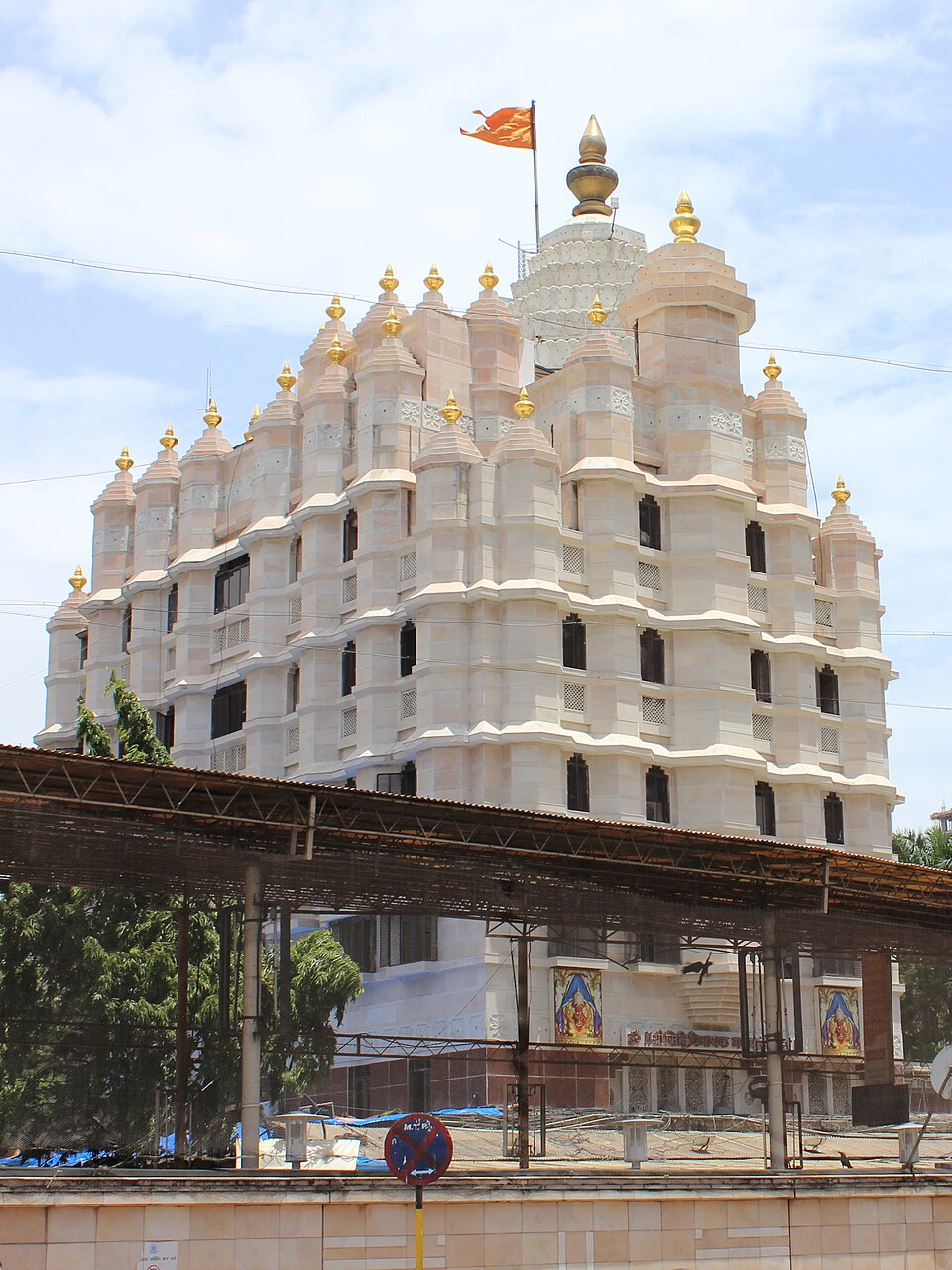
Nestled in the vibrant Prabhadevi neighborhood of Mumbai, the Shri Siddhivinayak Ganapati Mandir stands as a testament to enduring faith in a bustling metropolis. Established on November 19, 1801, by Laxman Vithu and Deubai Patil, it has evolved from a small shrine into one of India's wealthiest and most popular Hindu temples. Its modern iteration, completed in 1993, sees a constant stream of devotees, from common folk to celebrities, all seeking the revered *siddhivinayak temple blessing* for their desires and endeavors.
The temple's architecture blends traditional elements with contemporary aesthetics. A prominent dome, beautifully illuminated with changing colors in the evenings, marks the spot directly above the central Ganesha idol. The inner sanctum, though modest in size, exudes a powerful aura. Its wooden doors are intricately carved with images of the Ashtavinayak – the eight manifestations of Ganesha found across Maharashtra – serving as a subtle nod to the broader spiritual journey that many undertake. Inside, the roof is plated with shimmering gold, reflecting the devotion and offerings of countless worshippers. The central statue of Lord Ganesha, often referred to as "Ganesha who grants your wish," is the focal point, embodying the temple’s reputation as a powerful wish-fulfilling deity. In the periphery, a small Hanuman temple also offers a serene space for quiet contemplation.
Visiting Mumbai's Siddhivinayak is an experience in itself. While Tuesdays are considered particularly auspicious and draw massive crowds, the temple remains vibrant every day. For those seeking a swift darshan, early mornings or late evenings on weekdays are generally less crowded. The temple has embraced modern solutions, offering options like online darshan bookings and maintaining strict security to manage the immense footfall. The atmosphere here is one of hopeful anticipation and collective devotion, where devotees offer flowers, coconuts, and sweets, departing with a renewed sense of hope and the profound feeling of having received a *siddhivinayak temple blessing*.
Siddhatek's Ancient Roots: Where Lord Vishnu Attained Siddhi
Journeying approximately 100 km from Pune, deep into the Ahmednagar district, one encounters a different kind of Siddhivinayak – the ancient temple at Siddhatek. This is not merely a temple but a sacred site woven into the fabric of cosmic legends, representing the second stop on the revered Ashtavinayak Yatra. Unlike its urban counterpart, Siddhatek offers a serene, rustic pilgrimage experience on the tranquil banks of the Bhima river, a stark contrast to Mumbai's concrete jungle.
Siddhatek holds immense religious significance, primarily because it is believed to be the very spot where Lord Vishnu attained 'Siddhi' (spiritual power and accomplishment) after years of relentless battle against the formidable demons Madhu and Kaitabh. He achieved this crucial victory only after invoking and receiving the blessings of Lord Ganesha, thus solidifying Siddhatek's reputation as a place where profound spiritual realization can be achieved. This legend underscores the deep, ancient roots of the *siddhivinayak temple blessing* concept, as detailed further in
Unveiling Siddhatek Siddhivinayak: Vishnu's Path to Divine Siddhi. Beyond Vishnu, the revered Saints Morya Gosavi and Shri Narayan Maharaj of Kedgaon are also said to have received divine enlightenment here, adding layers to its spiritual gravitas.
The deity at Siddhatek possesses a unique characteristic: Lord Ganesha's trunk is turned towards his right side, the direction traditionally associated with his consort, Siddhi (personification of spiritual power, accomplishment, and intellect), from whom the temple derives its name. This right-sided trunk is considered highly potent and is believed to demand a stricter adherence to Vedic rituals and practices. Indeed, appeasing the Siddhivinayak of Siddhatek is believed to be more challenging, requiring devotees to meticulously follow ancient puja rules. The inner sanctum, a testament to historical patronage, was constructed by the revered Queen Ahilyabai Holkar of Indore, while the main road leading to the temple was laid by Peshwa's General Haripant Phadake.
Perhaps the most iconic ritual at Siddhatek is the pradakshina (circumambulation). Unlike a simple walk around the temple, devotees here undertake a round of the entire hill on which the temple is situated – a spiritual and physical feat symbolizing unwavering devotion. Festivals such as Ganesh Jayanti, Vijayadashami, and Somvati Amavasya draw significant crowds, transforming the serene landscape into a hub of fervent devotion, echoing centuries of sacred tradition.
A Tale of Two Siddhivinayaks: Ritual, Accessibility, and Spiritual Essence
The two Siddhivinayak temples, while sharing a revered name, offer distinctly different pathways to a *siddhivinayak temple blessing*. The Mumbai temple is a beacon of modern accessibility and convenience, making it possible for millions to seek Ganesha's grace amidst their busy lives. Its urban setting, vibrant atmosphere, and less stringent worship requirements make it a preferred destination for quick prayers, specific wish fulfillment, and a general feeling of divine connection. The blessings sought here are often immediate and tangible, a balm for everyday anxieties and aspirations.
In stark contrast, Siddhatek offers a journey into the spiritual heart of Maharashtra. Its remote location, ancient legends, and emphasis on strict Vedic rituals demand a deeper commitment from the devotee. The *siddhivinayak temple blessing* here is often sought not just for material desires, but for spiritual growth, overcoming profound life obstacles, and achieving a higher state of 'siddhi' or inner power, much like Lord Vishnu did. The arduous pradakshina around the hill embodies this commitment, symbolizing the effort required to earn profound spiritual merit.
Choosing between the two, or even undertaking both, depends on the devotee's intent, time, and spiritual inclination. For those seeking immediate solace and a vibrant communal experience, Mumbai's Siddhivinayak provides an accessible and comforting embrace. For pilgrims yearning for a deeper, more traditional, and perhaps more challenging spiritual quest rooted in ancient lore and rigorous practice, Siddhatek offers an unparalleled experience. Both temples, however, serve as powerful reminders of Lord Ganesha's omnipresence and his ability to bestow blessings in myriad forms, guiding devotees towards
The Power of Siddhivinayak: Unlocking Blessings and Spiritual Fulfillment.
Practical Tips for Pilgrims and Devotees
For those planning to visit either of these magnificent temples, here are some practical tips:
- Dress Modestly: Regardless of the temple, respectful attire is always appreciated.
- Plan Ahead for Siddhatek: Due to its remote location, ensure you have your travel and accommodation sorted, especially if you plan to undertake the Ashtavinayak Yatra. Roads can be narrow, and public transport might be limited outside major junctions like Daund.
- Mumbai Siddhivinayak: Consider booking online darshan tickets to save time, especially on Tuesdays or during major festivals. Be prepared for security checks.
- Embrace the Rituals: At Siddhatek, if you wish to perform the full hill pradakshina, wear comfortable shoes and carry water. Understanding the basic Vedic rituals (or seeking guidance from a local priest) can enhance your experience.
- Be Mindful of Crowds: Festivals like Ganesh Jayanti, Vijayadashami, and Somvati Amavasya attract massive crowds to both temples, requiring extra patience and planning.
Conclusion
The Siddhivinayak temples of Mumbai and Siddhatek stand as twin pillars of devotion, each offering a unique pathway to the divine. Mumbai's landmark temple provides an accessible and vibrant experience for the modern devotee seeking blessings for everyday life, while Siddhatek’s ancient shrine offers a profound, ritualistic journey for those seeking deeper spiritual accomplishment and connection to timeless legends. Regardless of which Siddhivinayak temple you choose to visit, the core essence remains the same: a powerful *siddhivinayak temple blessing* that promises to remove obstacles, grant wishes, and illuminate the path to spiritual fulfillment. Both temples beautifully illustrate the multifaceted nature of faith in India, inviting devotees to discover their own connection to the benevolent Lord Ganesha.